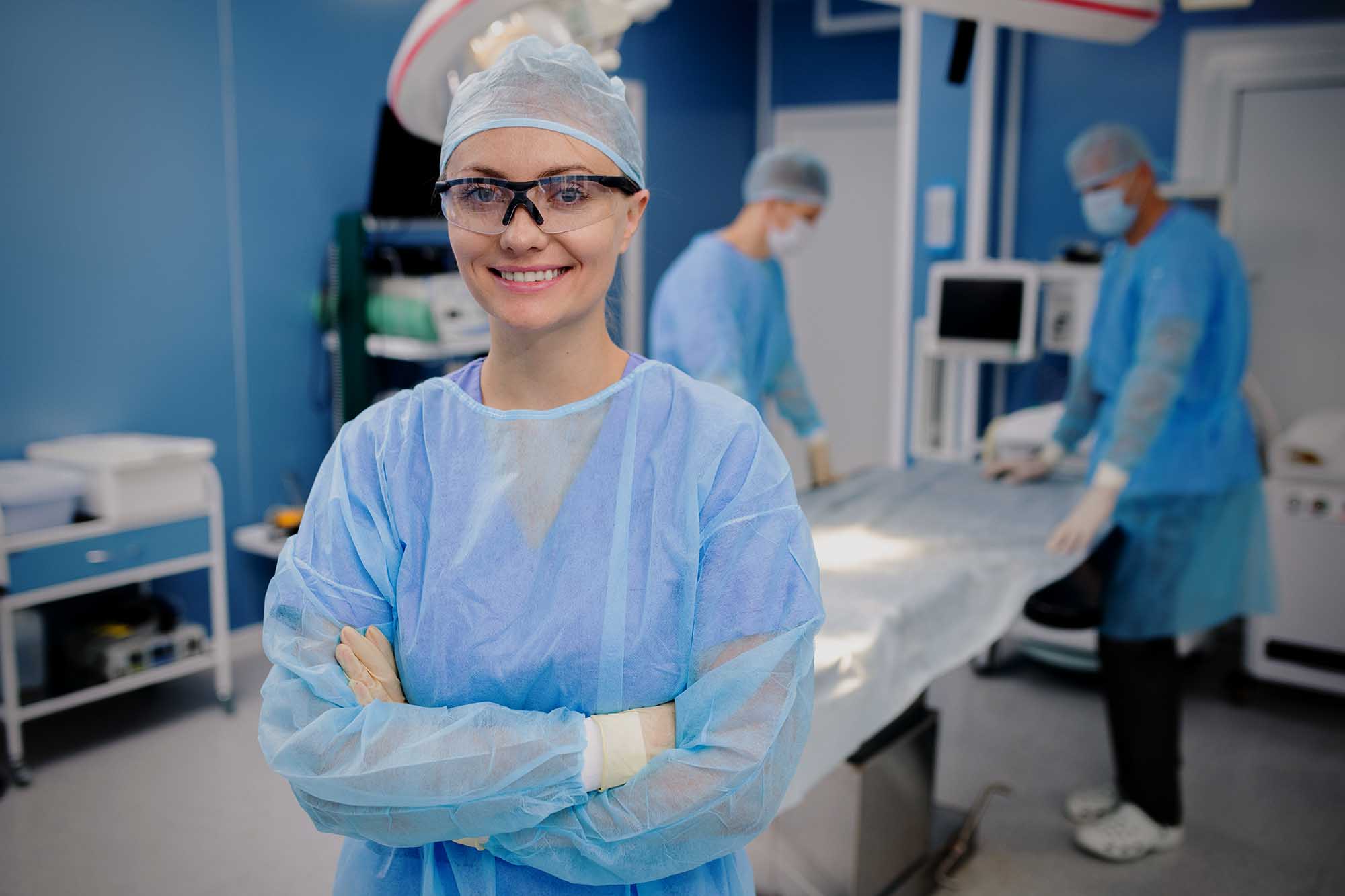
A Critical Re-evaluation of OR Pressure Injury Prevention: Moving Beyond Conventional Dogma
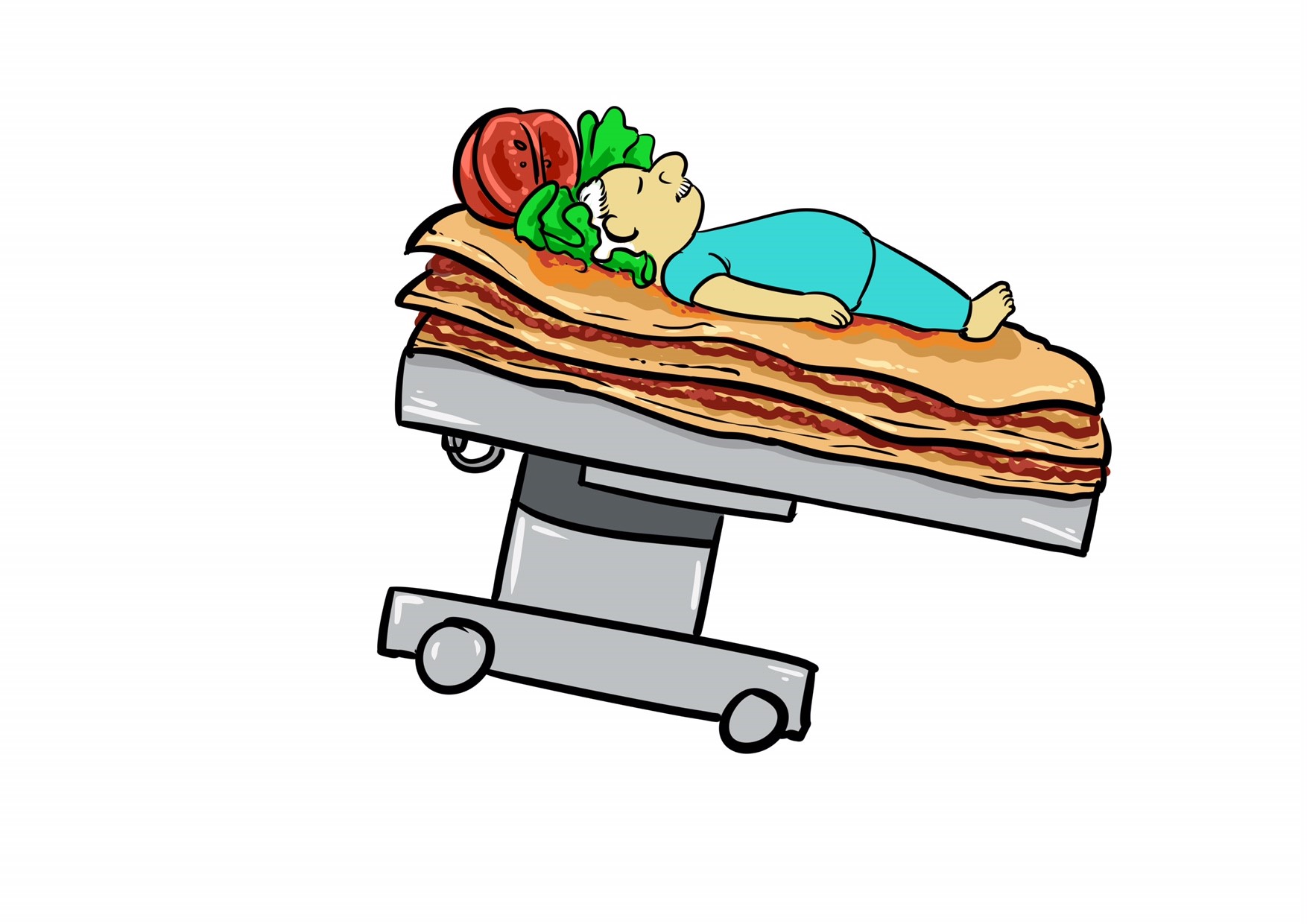
Standardized pressure injury prevention strategies frequently overlook the vital interplay between core physiological mechanisms and the adjacent contributing factors that surround them. This narrow perspective results in a fragmented approach that targets surface-level symptoms rather than the true root causes of tissue deformation.
By isolating single risk factors and failing to address the interconnected variables such as environmental conditions, material science characteristics, patient handling techniques, and the patient’s underlying pathophysiological vulnerabilities, current guidelines often miss the systemic and highly nuanced complexities that characterize modern perioperative care.
The path to meaningful progress lies in first deeply understanding these adjacent contributors, then actively controlling and predicting their influence. These factors must be treated as foundational considerations from the very beginning of product design, protocol development, and clinical product selection. Only by systematically mastering as many of these interdependent elements as possible can we meaningfully advance patient safety, care quality, and clinical outcomes.
Compounding the issue, most of today’s proposed standards and prevention guidelines are frequently influenced by financial relationships between the guideline-developing organizations and product vendors. Too often, they rely on unvalidated marketing claims or sponsored user outcomes instead of rigorous, independent scientific evidence. Even when certain elements of these complex influencing factors are recognized, the translation into clear, actionable messaging and education for frontline clinical providers remains limited, inconsistent, or inadequate.
The challenges further intensify when supply chain decision-makers prioritize cost above clinical benefit, fail to fully evaluate the products they select, or face restricted purchasing freedom due to constraints imposed by group purchasing organizations (GPOs) or existing supply agreements. This combination of incomplete science, conflicted influences, poor translation to practice, and cost-driven procurement decisions continues to undermine truly effective pressure injury prevention.
Here are some just a few key examples illustrating these issues:
In the operating room (OR), gel overlays are frequently marketed for pressure redistribution; however, their hydrophobic nature inherently restricts the Moisture Vapor Transmission Rate (MVTR). This limitation traps excess moisture against the skin, destabilizing the tissue microenvironment and increasing the risk of maceration, ultimately contributing to the development of pressure injuries rather than preventing them. Furthermore, relying on reusable gel pads to secure patients in the Trendelenburg position can be dangerously counterproductive. Moisture accumulation at the skin-pad interface creates a “water slide effect,” drastically reducing the coefficient of friction. This loss of grip makes patient migration nearly inevitable, a failure rooted in fundamental physical principles.
Memory foam (viscoelastic foam) in OR settings: This material primarily unloads pressure through immersion and contouring rather than providing robust structural support, which proves particularly inadequate when placed over soft surgical mattress tops. If used in surgical mattresses, Its performance is highly temperature-dependent due to the glass transition temperature (Tg)—typically engineered near or just below room temperature (around 20–25°C or 68–77°F)—allowing the characteristic slow rebound and body-conforming behavior. In cooler OR environments (common in unheated suites or early-morning cases), the foam shifts toward its glassy phase, becoming rigid and less viscoelastic. This reduces conforming recovery, leading to an initially firm, uncomfortable surface that softens only gradually as body heat transfers to it.
Memory foam’s high thermal dependence is easily demonstrated through a simple real-world experiment: place a standard memory foam positioner in a refrigerator for a brief period. The material will emerge noticeably hard, reflecting a sharp increase in viscosity and a total loss of structural flexibility.
This phenomenon is frequently encountered in the clinical environment. A Tempur-Pedic®-style mattress in a cold OR often exhibits extreme firmness, as these materials rely almost exclusively on conductive heat from the patient to soften and deliver intended offloading. This creates a dangerous paradox: the foam is hardest when the patient is first positioned and most vulnerable. Furthermore, any items interposed between the patient and the mattress, such as RF grounding pads, warming blankets, or bunched drawsheets, further disrupts this thermal transfer. By blocking the conductive warmth required to “activate” the foam, these layers keep the material stiff and ineffective, significantly reducing pressure redistribution and compromising patient safety in cold surgical environments.
Conversely, excessive warming (e.g., from patient warming devices) can over-soften viscoelastic or gel-infused foams, causing:
- Reduced load-bearing capacity and “bottoming out” under sustained pressure.
- Accelerated stress relaxation, where molecular mobility increases, diminishing the foam’s ability to maintain support. These effects compromise stability, heighten shear risks, and undermine true pressure offloading, which must be assessed at the skin-interface level while accounting for temperature, duration, and actual tissue deformation.
Enhanced compressibility on soft surfaces: Adding memory foam overlays to compliant substrates (like standard surgical mattresses) lowers effective stiffness, increasing compressibility. For typical 1-inch viscoelastic foam (e.g., ILD 10–15 lbs, density 83–103 kg/m³), compression under load (e.g., 100–300 lbs over buttocks area) can reach 40–100%, with bottoming out (>90%) possible at lower weights (~225 lbs) due to substrate compliance. This creates an effective ILD as low as 5–7 lbs (via combined spring constants: 1/k_total = 1/k_foam + 1/k_substrate). On more rigid surfaces, compression stays lower (20–60%), resisting bottoming out better. The resulting “wrapping” effect reduces contact area, concentrating pressure at bony prominences (e.g., sacrum, ischial tuberosities) and elevating peak pressures (often >220 mmHg), far exceeding thresholds like the NPIAP’s ~32 mmHg for microcirculation impairment. Interposed devices or bunched linens, like drawsheets, can further spike pressures by 20–50%.
Unlike traditional memory foams, Infinitus Medical’s PneumaFOM® technology minimizes substrate deformation and maintains structural integrity across a broad temperature range (0–140°F). When integrated into our FPLS® (Foam Pad Lift System) and modular carrier, this technology eliminates the need for drawsheets, preventing the “bunching” typically encountered during transitions to positions like lithotomy. This modern approach replaces antiquated “sheet-and-hand” lifting and inconsistent, and dogmatic, weight-based circumferential arm adduction methods with a standardized, secure solution. By removing intervening layers like drawsheets, the Hadron FPLS® and Genesis Bi-Wing AAP® systems ensure the direct skin-to-pad contact essential for an effective Moisture Vapor Transmission Rate (MVTR). Furthermore, eliminating the drawsheet maximizes the surface contact required for superior traction and stability. This synergy optimizes pressure offloading while mitigating the risks of shear and tissue deformation caused by gravity-dependent shifts.
Ultimately, our design philosophy prioritizes tissue integrity by significantly reducing both the frequency and intensity of manual patient handling, while optimizing tissue offloading, support, and MVTR, outperforming any other system on the market today. By synthesizing a deep understanding of caregiver workflows, material science, and human physiology, we guide the evolution of patient care toward a safer, more sophisticated standard of excellence.
Comprehensive clinical evaluations must move beyond isolated metrics to include broader biomechanical considerations: biotensegrity, shear forces, microclimate management, and tissue deformation. While these interactions are the subject of an upcoming article, their impact on real-world care is immediate.
Advancing patient safety requires more than incremental change; it demands a critical re-evaluation of dogmatic practices. By anchoring clinical care in robust science and innovative engineering, we transition from reactive habits toward a truly preventative model.
Related Posts

Are You Being Greenwashed? Assessing Biodegradation Claims – A Questionnaire for Healthcare Professionals
Medical Waste Disposal & Environmental Marketing ClaimsAn Educational Reference for Healthcare Procurement and Sustainability TeamsINFINITUSMEDICAL.COM …
The Hidden Burden: Musculoskeletal Disorders and Back Pain Among Operating Room Nurses in the US, Canada, and Europe
Operating room (OR) nurses, also known as perioperative nurses, play a critical role in surgical…

The Infinitus Advantage
Please take just five minutes to discover how we stand apart—and how your legacy surgical…